
 Road managers
 Accessibility tools



Types of trailers
The Heavy Vehicle National Law (HVNL) describes 3 main types of heavy trailers:
- dog trailers
- pig trailers and
- semitrailers.
These types of trailers may then be combined or have physical or load carrying characteristics that result in further refinement of their standard definition.
Note: The HVNL recognises other variations of trailer types (for example, low loader, agricultural trailer, pole type trailer). These variations are considered sub-categories of one of the three main types of trailers.
Dog trailer
A dog trailer has:
- a single axle or an axle group at the front that is steered by connection to a towing vehicle by a drawbar and
- a single axle or an axle group at the rear.

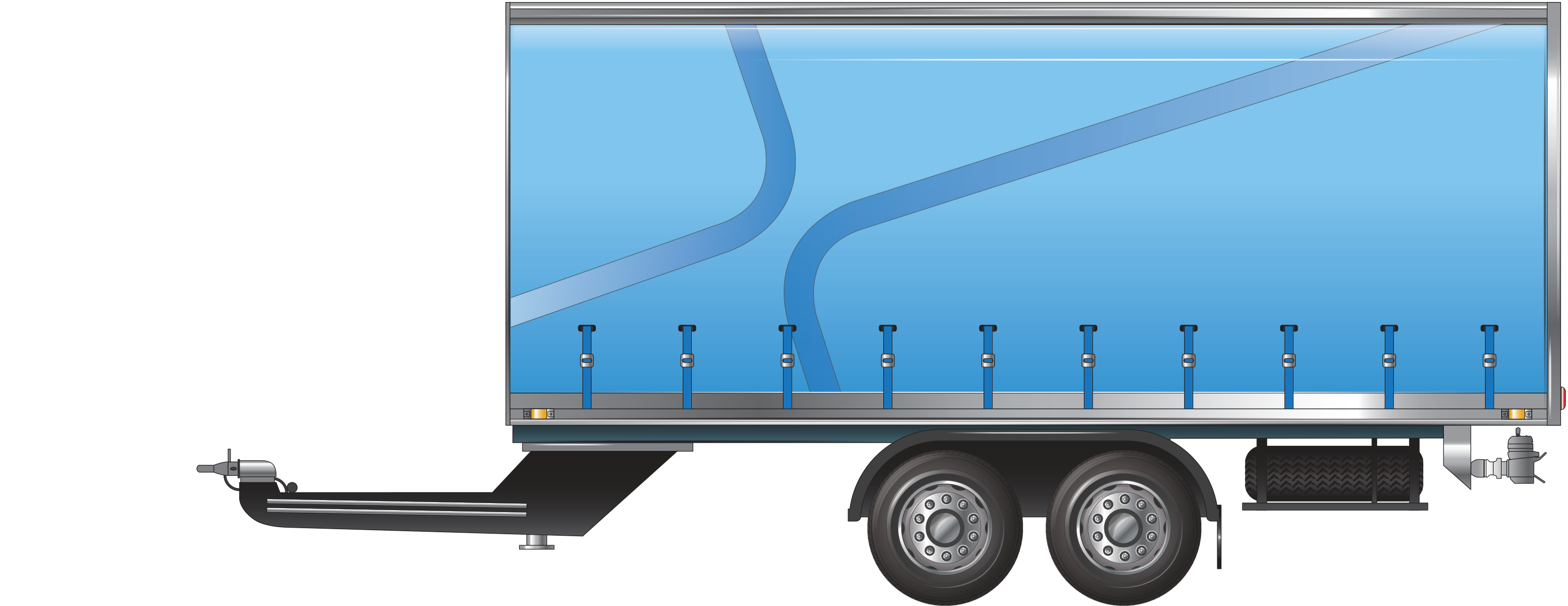
Pig trailer
A pig trailer has:
- a single axle or an axle group near the middle of its load carrying surface and
- is connected to the towing vehicle by a drawbar.
Semitrailer
Semitrailers can either be a ‘conventional’ type or a ‘tag trailer’. Both types of trailers have their axle groups towards the rear and result in a portion of the mass being imposed on the towing vehicle.
A typical (conventional) semitrailer has:
- a single axle or an axle group towards the rear of its load carrying surface.
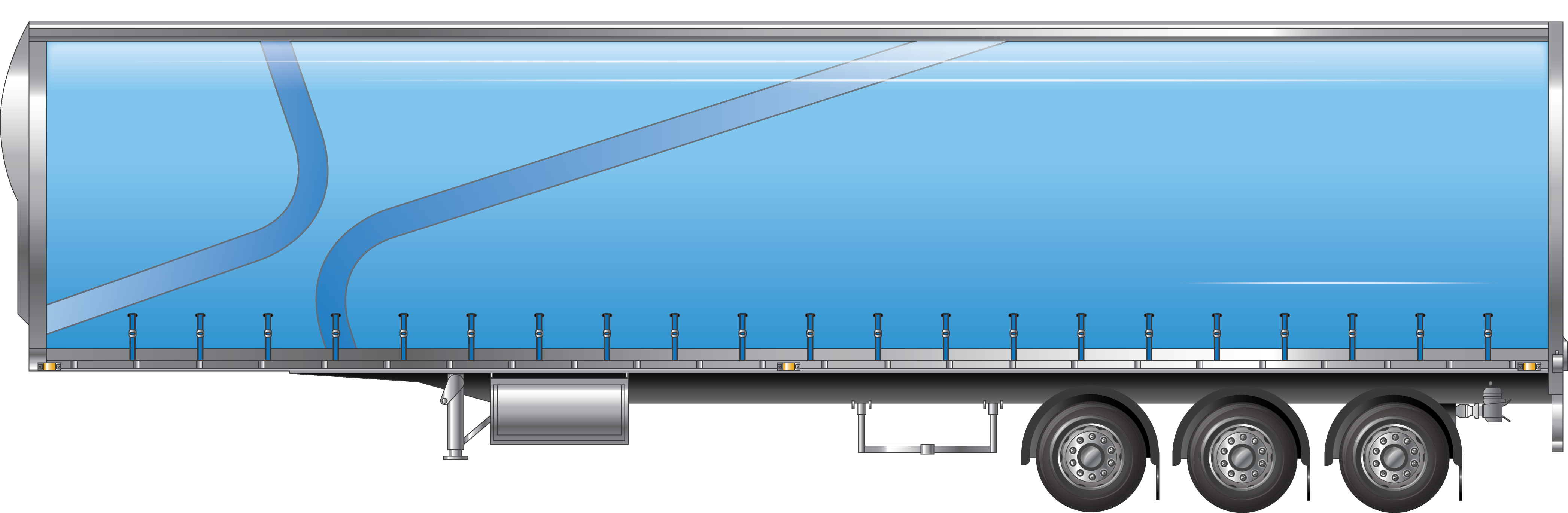
A conventional type of semitrailer is characterised by having a king pin fitted under the front of the body or tray.
A tag trailer is a type of semitrailer that has:
- a single axle or axle group towards the rear of its load carrying surface and
- is connected to the towing vehicle by a drawbar.
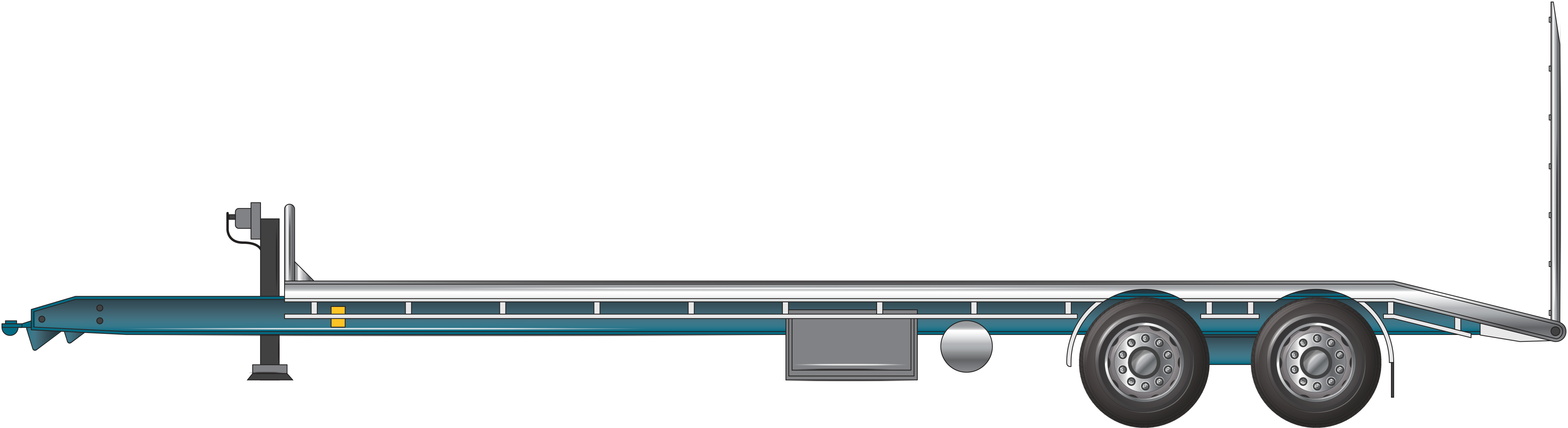
A tag trailer has a drawbar and, in most cases, uses a coupling other than a king pin.
Note: Low loader, platform and other semitrailers that may have a drawbar and are equipped with a king pin, were not intended to be classed as tag trailers.
How to determine the relevant position of the axle or axle group
To determine if the axle or axle group is located near the middle or towards the rear of the load carrying surface, divide the length of the load carrying surface equally into thirds. The relevant position of the axle group will then determine the type of trailer, as displayed in Table 1.
| Trailer type | Relevant position of axle/axle group |
|---|---|
| Dog trailer | If the trailer has an axle or axle group in both the front and rear thirds of the load surface, the trailer may be considered a dog trailer. |
| Pig trailer | If the centre-line of the axle or axle group falls in the middle third of the load carrying surface, the trailer is considered to be a pig trailer. |
| Semitrailer or tag trailer | If the centre-line of the axle or axle group falls in the rear third of the load carrying surface, the trailer is considered to be a semitrailer or a tag trailer. |
Note: If a trailer has axles distributed in a way that is not described in Table 1, it is not described on this page (e.g. this would apply mostly to oversize overmass (OSOM) platform type trailers).
Towing capacity limits
Working out the tow limitations of a vehicle or combination is not just determined by the limit of the trailer. Instead, the tow capacity of a combination is limited by the lowest rated towing related component. These components include:
- vehicle tow coupling
- vehicle tow bar
- Gross vehicle mass (GVM)/Aggregate trailer mass (ATM)
- Gross Combination Mass (GCM)
- trailer tow coupling
- trailer drawbar.